In this project, you will design a comprehensive programmable electronic load system capable of precise current regulation, real-time voltage and current measurement, embedded control, and reliable operation for testing power supplies and other power sources.
$109.00
35 - 50 hours to complete
Intermediate difficulty
8-Week Smartwatch Program
August 17 – October 16, 2026
Time Commitment: 3–5 hours per week Support: Kickoff meeting, live help twice a week, plus optional appointments Included: Hardware kit, guided instructions, structured weekly milestones, and technical support Recommended Prerequisites: basic programming experience, basic microcontroller experience, basic electronics understanding
Short Circuit Voluntary 14-day Return Guarantee: You can return any item within 14-days following delivery. Items must be unused and in original packaging.
Customers are responsible for return shipping costs unless the item arrived damaged, defective or incorrect.
To initiate a return email us at support@shortcct.com
What's Included
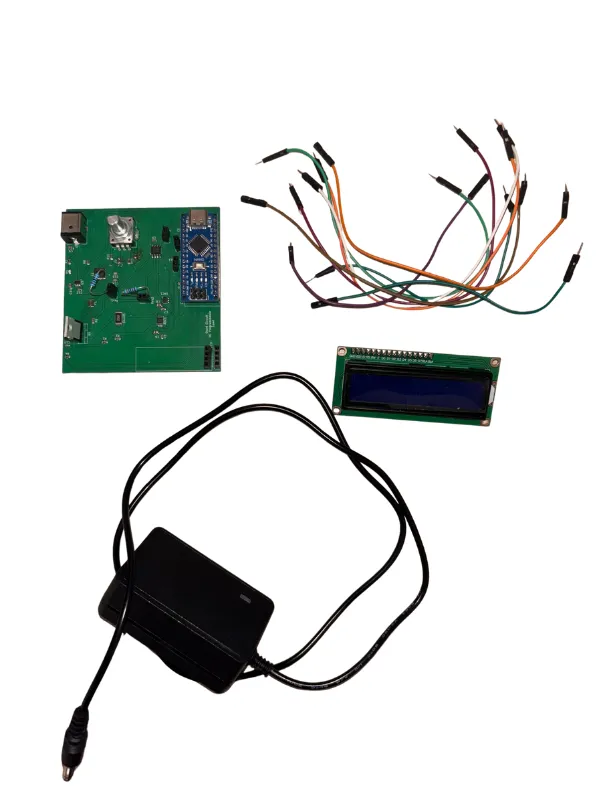
Custom PCB Kit + Components
Cable for Mac or Windows (Optional)
Multimeter (Optional)
Free Shipping within the U.S.
Online Materials for 12 Months
Virtual Support
Recommended Timeline
Upon Project Completion You Will Have
Portfolio Project
Completed a tangible project to showcase on your resume
Industry Skills
Demonstrated key competencies valued by Samsung, Intel, Bosch, and more
Certificate
Received a sharable certificate for your LinkedIn profile
Prerequisites
This project is designed for students who want hands-on analog electronics and power hardware experience. You do not need extensive experience, but some foundational knowledge is expected.
Basic understanding of circuits and electronic components
Introductory C or C++ programming experience
Basic experience with breadboards, multimeters, and circuit debugging
Willingness to read datasheets and validate designs through measurements
If you are missing some of this background, reach out to us at support@shortcct.com, and we can explore options to help you get up to speed!
Outcomes
By completing this project, you will:
Implement a programmable electronic load for testing power supplies
Design a custom PCB for a programmable load meeting precise requirements
Measure voltage and current using electronic sensing circuits
Apply circuit analysis and power electronics concepts to a real-world system
Implement closed-loop control to achieve precise current regulation
Use datasheets to select, configure, and integrate electronic components
Debug hardware and firmware to identify and resolve real-world issues
Build a portfolio-ready project that demonstrates hands-on experience in circuits, embedded systems, and controls
Short Circuit offers hands-on engineering project kits that help students and early-career engineers build practical, industry-relevant skills through real-world projects. Through these projects, Short Circuit bridges the gap between classroom learning and the practical skills expected in industry.