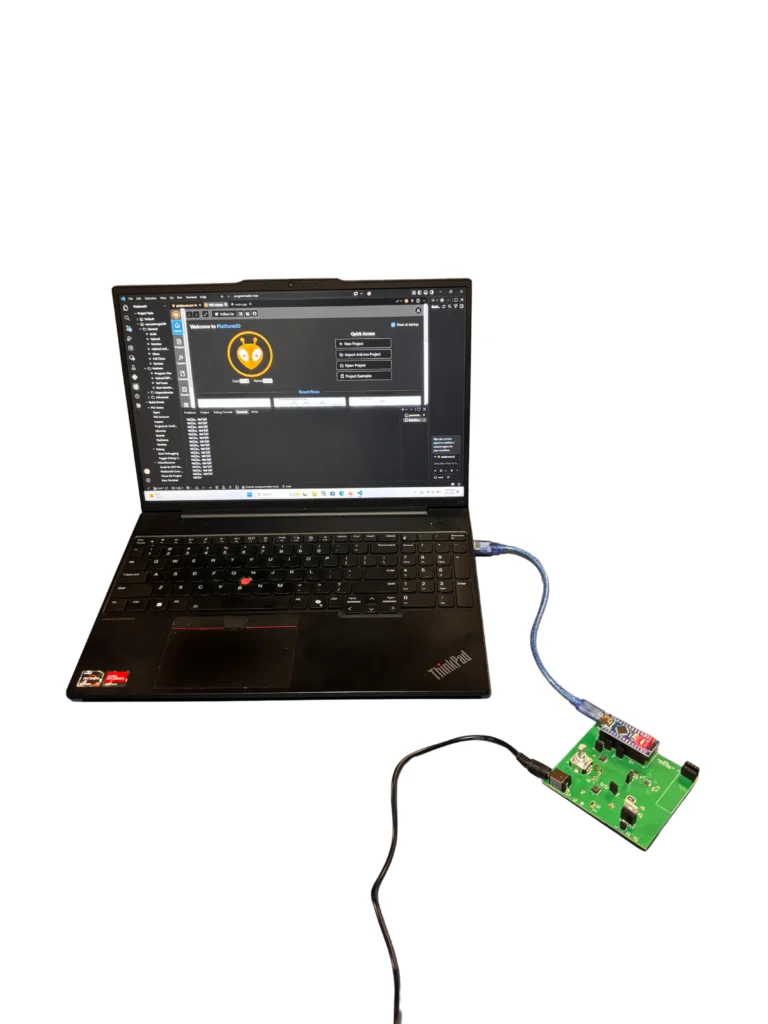

Our goal is simple:
make high-quality engineering experience more accessible
Engineering students are taught theory in class, but many struggle to find the opportunities to apply those concepts in a complete project.
What We Offer
Each Short Circuit project is built around real engineering challenges
Every project includes:
- Hardware components
- A comprehensive training program
- A detailed project specification
- Clear project deliverables
- Troubleshooting resources
- Virtual Support
- Bonus modules for further customization
Our projects are designed to be achievable for students who are still learning while leaving room for more advanced students to explore deeper technical extensions
Our Story
Short Circuit was founded by Anand Seetharaman, an electrical engineering graduate from the University of Michigan and graduate student at the University of Illinois Urbana-Champaign.
Through his experiences in courses, internships, student teams, research, and personal projects, Anand saw a recurring problem: students were expected to have practical experience before receiving the opportunities that would help them develop that experience.
Short Circuit was built to break that cycle.
Short Circuit was built around feedback from students and engineering employers to better understand the gap between classroom learning and the skills that matter in recruiting. Those insights continue to shape every project we create.
- Hands-On Skills. Career Results.
What Makes Short Circuit Different

Hands-On Learning
Students learn by building real projects, not just reading theory.

Career-Focused Kits
Each kit is designed to help students build portfolio-ready skills.

Student-Friendly Guidance
Projects are structured so students can understand, build, test, and explain their work.

Practical Engineering Skills
Kits support learning in embedded systems, electronics, robotics, controls, and PCB design.

More Than Following Instructions
Short Circuit projects are not assembly kits
Students will learn how to be proficient engineers writing their own code, creating test benches, making design decisions, and understanding their systems in and out.
Earning a Short Circuit certificate means students can confidently explain their project, defend their design decisions, and discuss the technical challenges they solved in an interview setting.