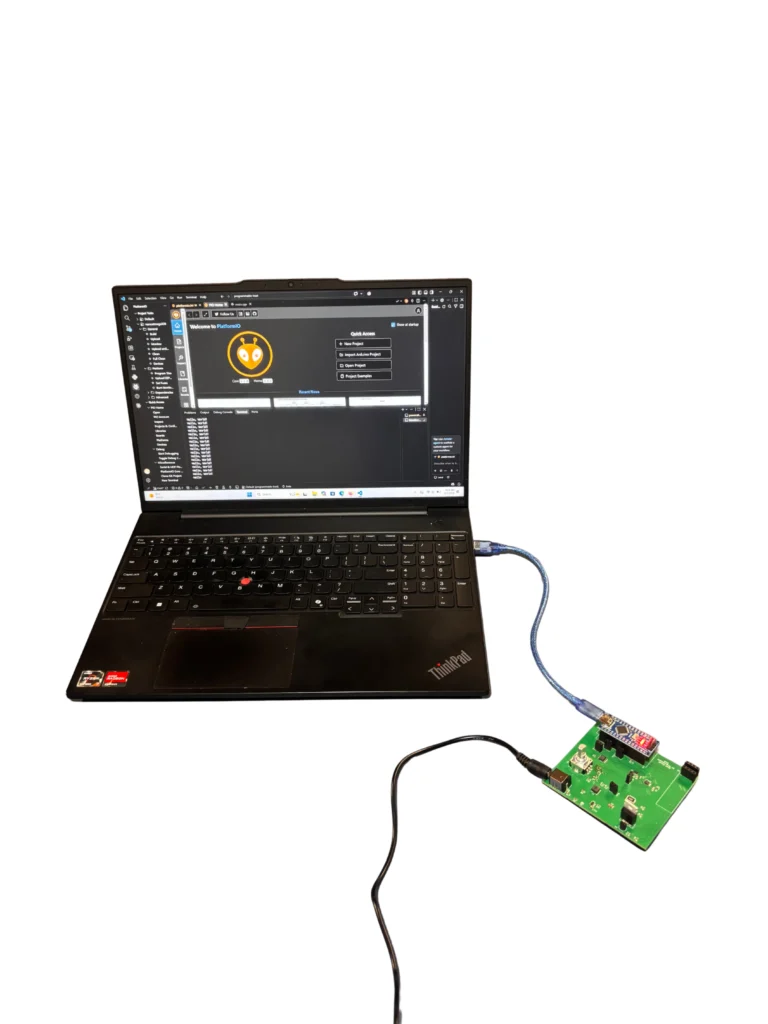

Our goal is simple:
make high-quality engineering experience more accessible

Our Story

Short Circuit was founded by Anand Seetharaman, an electrical engineering graduate from the University of Michigan and graduate student at the University of Illinois Urbana-Champaign.

Through his experiences in courses, internships, student teams, research, and personal projects, Anand saw a recurring problem: students were expected to have practical experience before receiving the opportunities that would help them develop that experience. 

Short Circuit was built to break that cycle.

The company began by speaking directly with students and engineering employers to understand what skills students were missing and what makes a problem valuable during recruiting. Those conversations continue to shape every Short Circuit program

What We Offer

Each Short Circuit project is built around a real engineering challenge

Every Short Circuit project includes:

  • All required hardware components
  • Access to the online technical training program
  • A detailed project specification
  • Clear milestones and deliverables
  • Troubleshooting resources
  • Opportunities to extend and customize the project

Depending on the selected plan, students may also receive:

  • Live office hours
  • Project debugging support
  • Community access
  • Final project review
  • A certificate of completion

Our projects are designed to be achievable for students who are still learning while leaving room for more advanced students to explore deeper technical extensions

What Makes Short Circuit Different

Hands-On Learning

Students learn by building real projects, not just reading theory.

Career-Focused Kits

Each kit is designed to help students build portfolio-ready skills.

Student-Friendly Guidance

Projects are structured so students can understand, build, test, and explain their work.

Practical Engineering Skills

Kits support learning in embedded systems, electronics, robotics, controls, and PCB design.

More Than Following Instructions

Short Circuit projects are not simple assembly kits.

Students are expected to write code, interpret data, test hardware, debug failures, make design decisions, and explain how their system works.

The goal is not to just product a working project. The goal is to understand the engineering behind it.

By the end of the project, students will be able to discuss:

  • What they built.
  • Why they made certain design decisions.
  • What technical problems they encountered.
  • How they tested and improved their system.
  • What they would change in a future version.

These are the exact kinds of questions that commonly show up in interviews